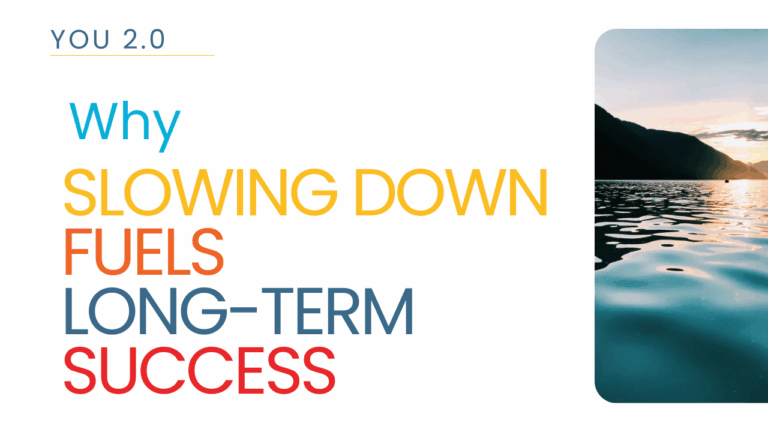
This summer, I made a bold decision: every Friday in July and August was mine. No meetings. No calls. No “just checking in.” Instead, I spent time exploring stunning lakes and waterways from QC to Tobermory, soaking up the sun, and giving myself permission to truly rest. Some days were filled with adventure; others were simply about quiet moments and a good book by the water.
And you know what? It changed everything.
Far from falling behind, I returned to work more creative, focused, and energized than ever. It was a powerful reminder of something we often forget: taking time off isn’t a luxury—it’s a strategy for long-term productivity and flourishing.
The Paradox of Productivity: Why Breaks Make You Better
In a culture that often glorifies hustle and constant availability, slowing down can feel like swimming against the current. Many professionals fear that stepping away will cost them opportunities, respect, or progress. But research tells a different story.
According to Positive Psychology and studies on restorative breaks, disconnecting from work is essential for high performance and well-being. Our brains aren’t designed for endless output. Cognitive resources—attention, memory, decision-making—are finite. Without renewal, we experience diminishing returns: longer hours produce less output, and burnout becomes inevitable.
When we deliberately slow down, we activate mental recovery processes that improve focus, creativity, and resilience. Think of it like recharging your phone—except your mind needs it even more than your device does.
The Science of Slowing Down: Why Joy and Rest Matter
Positive Psychology offers a compelling framework for understanding why time away from work fuels success. Two key concepts stand out:
1. The Broaden-and-Build Theory
Coined by psychologist Barbara Fredrickson, this theory states that positive emotions broaden our thought-action repertoire and build lasting psychological resources. In simple terms: when we experience joy, awe, and relaxation, we become more creative, flexible thinkers. We see solutions we might have missed under stress.
2. Psychological Detachment
Studies show that completely disconnecting from work during breaks enhances well-being and productivity. Checking emails during vacation? That’s not detachment—it’s tethering yourself to stress. Real detachment means giving your brain permission to shift into a different mode—one where curiosity, play, and restoration dominate.
Nature as a Performance Enhancer: The Awe Effect
One of the most transformative aspects of my summer Fridays was spending time in nature. Whether it was walking along a lakeshore or simply listening to the wind in the trees, those moments sparked something profound: awe.
Research shows that awe—those moments when you feel connected to something bigger than yourself—reduces stress, lowers inflammation, and boosts creativity. Nature is a natural awe generator. When we immerse ourselves in the outdoors, we reset our nervous systems, calm our minds, and open the door to new ideas.
Think about it: some of the greatest breakthroughs in history didn’t happen in boardrooms—they happened while walking in the woods, staring at the ocean, or resting under the stars.

Joy as a Productivity Tool
It may sound counterintuitive, but joy is a business advantage. When you create space for enjoyment—whether it’s a long weekend at the lake, a mid-week hike, or a quiet hour with a good book—you’re investing in your mental agility.
Joy fuels motivation. It helps you see challenges as opportunities rather than threats. It strengthens relationships, both personal and professional. And it creates the energy needed to tackle big goals without depleting yourself in the process. Are you looking for more JOY JOLTS in your life?
Why Leaders Must Model This Behavior
If you lead a team, here’s the truth: your behavior sets the tone for what’s acceptable. If you never take a break, never use vacation time, and send emails at midnight, your team will assume that’s the expectation.
When leaders prioritize rest and encourage others to do the same, they create cultures of sustainable success rather than burnout. And the payoff? Higher engagement, lower turnover, and more innovative thinking.
Practical Tips to Create Space for Rest and Joy
If you’ve been craving a break but aren’t sure how to make it happen, here are a few strategies I used—and recommend to my clients:
1. Plan It Like a Priority
Block time off in advance, whether it’s Fridays in the summer or a week-long vacation. Treat it as non-negotiable.
2. Communicate Clearly
Set expectations with colleagues and clients. Let them know when you’ll be unavailable—and stick to it.
3. Go Offline
Resist the temptation to “just check in.” If possible, delete work apps during your time away.
4. Find Your Awe Spots
Identify places or experiences that make you feel wonder—whether it’s a local park, a hiking trail, or a lake. Schedule time there regularly.
5. Reflect on the Benefits
After your break, note how you feel. More energized? More creative? Use that data to remind yourself (and others) why breaks matter.
Looking Ahead: Why I’ll Do It Again
Those summer Fridays were more than a break—they were an investment in my well-being, creativity, and leadership capacity. I returned to work not only refreshed but with new ideas and renewed purpose. That’s why I’m committed to doing it again.
And I highly recommend you do the same.
Because here’s the truth: our best work doesn’t come from grinding harder. It comes from creating space for rest, joy, and awe.
So, as you plan your next quarter, ask yourself:
➡️ Where can I make space to slow down?
➡️ What would bring me joy outside of work?
➡️ How can I disconnect to reconnect with what matters most?
Your future self—and your future success—will thank you.
Learn more about The Flourishing Leader program and how this 12 weeks together can create positive change. Let’s leave hustle behind.
What about you? How do you create time to recharge? Share your thoughts below—I’d love to hear what strategies work for you!